• Skip to main content
  • Skip to primary sidebar
  • Skip to footer

securitywing

Internet Security and Safety

The Ultimate Guide to the Best Fact-Checking Websites: Verify News Like a Pro

The top sites for verifying news or any misleading information are independent fact-checking organizations that investigate claims, viral stories, rumors, and political statements using transparent methods, original sources, and corrections when needed. Many adhere to the International Fact-Checking Network (IFCN) Code of Principles, a global standard for nonpartisanship, transparency, and accuracy (over 170 organizations worldwide are verified signatories).top fact checking websites
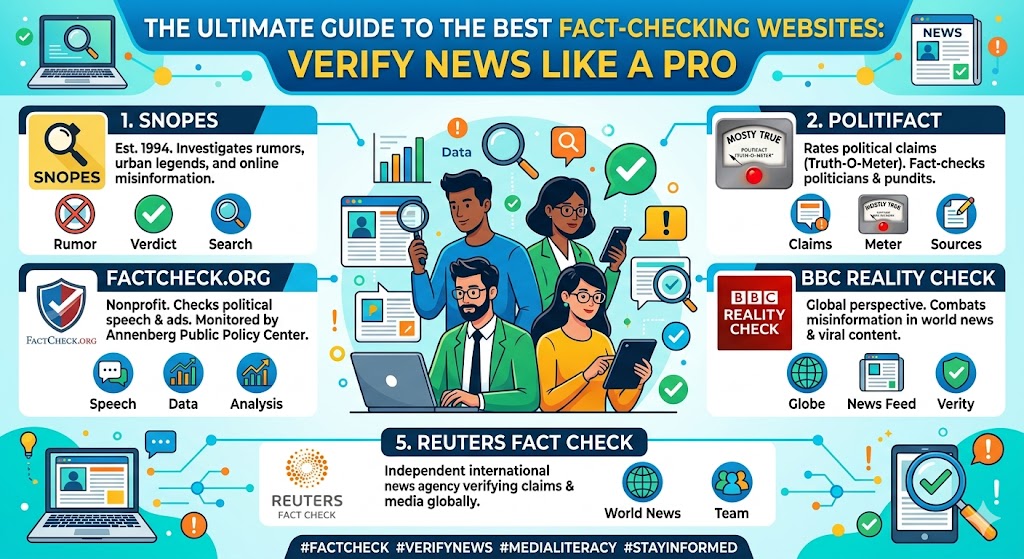
[Read more…] about The Ultimate Guide to the Best Fact-Checking Websites: Verify News Like a Pro

NIST Incident Response Phases Explained-Special Publication (SP) 800-61 Revision 3

The NIST incident response lifecycle has evolved over time. In the latest guidance from NIST Special Publication (SP) 800-61 Revision 3 (published in 2025), it is integrated with the NIST Cybersecurity Framework (CSF) 2.0 to emphasize a continuous, risk-management-oriented approach rather than a strictly linear process.

This contrasts with the previous Revision 2 model, which outlined four discrete phases:

  1. Preparation;
  2. Detection and Analysis; Containment,
  3. Eradication, and Recovery; 
  4. Post-Incident Activity.

[Read more…] about NIST Incident Response Phases Explained-Special Publication (SP) 800-61 Revision 3

UK’s Digital Guardians: The Key Organizations Watching Over Social Media Content

There are several organizations in the UK that monitor social media content, primarily for regulatory, safety, or enforcement purposes related to harmful, illegal, or misleading material. These include government regulators, charities, and law enforcement bodies.You will usefel contents and guidance in those organizaiton’s website and can contact for help or guidance. Here’s a breakdown of the main ones:organization watching over social media [Read more…] about UK’s Digital Guardians: The Key Organizations Watching Over Social Media Content

Online Abuse vs. Harassment: Know the Signs & Differences

The rise of the internet and social media has transformed how we connect, but it has also given rise to darker behaviors like online abuse and harassment. These terms are often used interchangeably, yet they represent distinct forms of harm in the digital space. Both can leave lasting emotional and psychological scars, but they differ in their nature, intent, and execution. This article delves into what online abuse and harassment mean, how they differ, and how to spot them in the wild expanse of the internet. [Read more…] about Online Abuse vs. Harassment: Know the Signs & Differences

The Silent War on Free Speech: How Discourse is Controlled and Manipulated

The concept of a “monopoly on discourse” refers to a situation where one or a few entities control or dominate the public conversation, shaping narratives, setting agendas, and potentially marginalizing alternative viewpoints. Here’s a breakdown of this phenomenon: [Read more…] about The Silent War on Free Speech: How Discourse is Controlled and Manipulated

Exploring Freedom of Speech: Principles, Challenges, and Global Perspectives

Freedom of speech is a fundamental principle that allows individuals to express their opinions, ideas, and information without fear of censorship or retaliation from the government. Here’s a comprehensive overview:

Definition and Importance:

  • Definition: Freedom of speech generally includes the right to express information, ideas, and opinions through speech, writing, art, or other forms of communication.
  • Importance: It’s considered vital for democracy, enabling free debate, the exchange of ideas, and the prevention of government overreach. It supports other freedoms like freedom of the press, assembly, and religion.

[Read more…] about Exploring Freedom of Speech: Principles, Challenges, and Global Perspectives

Master User Empowerment: Learn and Apply Proven Techniques

User empowerment is a concept that revolves around giving individuals the tools, resources, knowledge, and confidence they need to take control of their lives, make informed decisions, and advocate for themselves. Here’s how user empowerment can be understood and implemented:

Key Aspects of User Empowerment:

  1. Access to Information:
    • Education: Providing educational resources that are accessible, relevant, and tailored to individual needs can empower users to make informed decisions.
    • Transparency: Clear, honest communication from service providers, corporations, or governments about policies, products, or services.
  2. Digital Literacy:
    • Teaching individuals how to navigate the digital world safely and effectively, including understanding privacy settings, digital rights, and how to protect personal data.
  3. Control Over Personal Data:
    • Empowerment includes understanding and having control over one’s data. This involves:
      • Knowing what data is collected.
      • How it’s used.
      • The ability to opt-out or delete data.
  4. Participation and Decision-Making:
    • Encouraging users to participate in decisions that affect them, whether in community settings, workplaces, or online platforms. This can be through:
      • Feedback mechanisms.
      • Voting systems for community or product decisions.
      • Involvement in co-creation processes.
  5. Support Systems:
    • Establishing networks or platforms where users can share experiences, advice, and support each other, enhancing a sense of community and collective strength.
  6. Skill Development:
    • Offering training, workshops, or online courses to enhance skills that are relevant to personal or professional growth.
  7. Advocacy and Rights Awareness:
    • Educating users about their rights in various contexts (consumer rights, digital rights, health rights) and how to advocate for themselves or others when these rights are at risk.


Practical Examples:

  • Social Media Platforms: Implementing features that allow users to easily control their privacy settings, understand data usage, and manage content they see or interact with.
  • Healthcare: Providing patients with access to their medical records, explanations of treatments, and the ability to make informed health decisions.
  • Workplace Empowerment: Encouraging open dialogue, providing career development opportunities, and ensuring employees have a say in workplace policies.

Challenges:

  • Digital Divide: Not all users have equal access to digital tools or literacy, which can hinder empowerment efforts.
  • Manipulation or Misinformation: Users might be empowered with incorrect or harmful information.
  • Privacy vs. Empowerment: Balancing the need for personal data to enhance user experience with privacy concerns.

Empowerment is about respect, understanding, and equipping individuals with what they need to navigate, influence, and benefit from the systems around them. It requires ongoing effort from all stakeholders to ensure that empowerment is not just a buzzword but a reality. If you have specific questions or need further elaboration on how empowerment can be applied in a particular context, please let me know!


Big Tech on Trial: Are Social Media Owners Above the Law?

The accountability of social media owners is a complex and multifaceted issue that involves legal, ethical, and regulatory considerations. Here’s an overview based on current discussions and developments:

Legal Accountability:

In many jurisdictions, social media platforms have been largely shielded by laws like Section 230 of the Communications Decency Act in the United States, which grants them immunity from being treated as the publisher or speaker of user-generated content. However, there is growing debate about whether this protection should be curtailed, especially concerning the spread of misinformation, hate speech, and harmful content. This debate has led to legislative proposals and court cases aiming to redefine the responsibility of social media owners for platform content. [Read more…] about Big Tech on Trial: Are Social Media Owners Above the Law?

Should Billionaires Control Social Media?

The Dilemma of Social Media Control: A Handful of Businessmen Swaying Public Opinion

In the digital age, social media has transcended its role as a mere platform for social interaction to become a pivotal force in shaping public discourse, political landscapes, and cultural trends. However, this power is largely centralized in the hands of a few major companies, controlled by an even smaller group of business leaders. This concentration of influence raises profound questions about democracy, freedom of speech, and the integrity of public opinion. This article delves into whether it’s acceptable for social media to be controlled by a handful of businessmen with such significant sway over public thought. [Read more…] about Should Billionaires Control Social Media?

Election Manipulation: Social Media’s Growing Role

The advent of social media has revolutionized how political campaigns are conducted, how information is disseminated, and how voters engage with electoral processes. However, this digital transformation has brought with it significant challenges concerning the management of political speech, the spread of misinformation, and the potential for foreign influence in elections. This article explores these issues with a particular focus on transparency and accountability within social media platforms. [Read more…] about Election Manipulation: Social Media’s Growing Role

Next Page »

Primary Sidebar

Please help us sharing

Categories

  • Artificial Intelligence
  • AWS
  • Basics
  • Containers
  • Cryptocurrency
  • Cyber
  • Cyber Insurance
  • Internet Security and Safety
  • IS Audit
  • IT Security Exams
  • Law & Human Rights
  • Network Security Tips
  • Off Track
  • Social Media Governance
  • Tech Comparisons
  • Tech Stack Suitability
  • Telecom
  • Tutorial

CISSP Sample Test

Take a CISSP Sample Test

CISA Sample Test

CISA IT governance Sample test

Please Follow Us

Contact us for Ads

Go to Contact Form

Search

Footer

Copyrights

Protected by Copyscape Duplicate Content Detection Software

Securitywing.com reserves the copyrights of all of its published articles.No contents of this site is permitted to be published to anywhere else in the Internet.If any contents are found in any other websites, securitywing reserves the rights to file a DMCA complaint. But you have the right to use the link of any relevant article of this site to point from your website if you consider that it might improve the quality of your article.

Tags

antivirus audit AWS backup browser check cisco cloud computer cyber data database ddos email encryption firewall home hsrp ids internet it kubernetes linux load balancing malware network protection putty risk router security security tips server social media ssh SSL tools virus vpn vulnerability web webserver website windows wordpress