The rise of the internet and social media has transformed how we connect, but it has also given rise to darker behaviors like online abuse and harassment. These terms are often used interchangeably, yet they represent distinct forms of harm in the digital space. Both can leave lasting emotional and psychological scars, but they differ in their nature, intent, and execution. This article delves into what online abuse and harassment mean, how they differ, and how to spot them in the wild expanse of the internet. [Read more…] about Online Abuse vs. Harassment: Know the Signs & Differences
Social Media Governance
Free Speech in the Workplace- Employee Rights and Employer Authority
In modern society, free speech is often heralded as a cornerstone of democracy, a fundamental right that allows individuals to express their thoughts, beliefs, and opinions without fear of censorship or reprisal. Yet, when this principle enters the workplace, it encounters a complex and often contentious landscape. The tension between employees’ rights to express themselves and employers’ authority to regulate communication reflects a delicate balance of legal, ethical, and practical considerations. This article explores the nuances of free speech in the workplace, examining the legal frameworks that govern it, the limits imposed by private employers, and the cultural shifts influencing how these dynamics play out in practice. [Read more…] about Free Speech in the Workplace- Employee Rights and Employer Authority
Philosophical Foundations of Free Speech
Philosophical Foundations of Free Speech
Freedom of speech stands as one of the most cherished and contested principles in modern society. Its intellectual roots stretch deep into the history of philosophical thought, reflecting humanity’s enduring struggle to balance individual liberty with collective well-being. At its core, the concept hinges on the belief that open discourse is essential to truth, progress, and human flourishing. This article explores the philosophical foundations of free speech, focusing on two pivotal frameworks: John Stuart Mill’s harm principle and the “marketplace of ideas” theory. Together, these ideas provide a robust defense of free expression while grappling with its limits and implications. [Read more…] about Philosophical Foundations of Free Speech
Exploring Public Interest Algorithms: Balancing Societal Good with Technological Innovation
Public Interest Algorithms refer to algorithms designed or adapted to serve the broader societal good rather than solely commercial interests. Here’s a detailed exploration based on the available information:
Definition and Purpose:
Public Interest Algorithms aim to align AI systems with societal values, ensuring that their deployment benefits the public at large. This involves considering aspects like fairness, equity, transparency, and accountability in the design and implementation of AI technologies. The idea is to use algorithms to not only address but also anticipate societal needs and challenges, such as promoting democratic values, enhancing public discourse, or ensuring equitable access to services. [Read more…] about Exploring Public Interest Algorithms: Balancing Societal Good with Technological Innovation
Master User Empowerment: Learn and Apply Proven Techniques
User empowerment is a concept that revolves around giving individuals the tools, resources, knowledge, and confidence they need to take control of their lives, make informed decisions, and advocate for themselves. Here’s how user empowerment can be understood and implemented:
Key Aspects of User Empowerment:
- Access to Information:
- Education: Providing educational resources that are accessible, relevant, and tailored to individual needs can empower users to make informed decisions.
- Transparency: Clear, honest communication from service providers, corporations, or governments about policies, products, or services.
- Digital Literacy:
- Teaching individuals how to navigate the digital world safely and effectively, including understanding privacy settings, digital rights, and how to protect personal data.
- Control Over Personal Data:
- Empowerment includes understanding and having control over one’s data. This involves:
- Knowing what data is collected.
- How it’s used.
- The ability to opt-out or delete data.
- Empowerment includes understanding and having control over one’s data. This involves:
- Participation and Decision-Making:
- Encouraging users to participate in decisions that affect them, whether in community settings, workplaces, or online platforms. This can be through:
- Feedback mechanisms.
- Voting systems for community or product decisions.
- Involvement in co-creation processes.
- Encouraging users to participate in decisions that affect them, whether in community settings, workplaces, or online platforms. This can be through:
- Support Systems:
- Establishing networks or platforms where users can share experiences, advice, and support each other, enhancing a sense of community and collective strength.
- Skill Development:
- Offering training, workshops, or online courses to enhance skills that are relevant to personal or professional growth.
- Advocacy and Rights Awareness:
- Educating users about their rights in various contexts (consumer rights, digital rights, health rights) and how to advocate for themselves or others when these rights are at risk.
Practical Examples:
- Social Media Platforms: Implementing features that allow users to easily control their privacy settings, understand data usage, and manage content they see or interact with.
- Healthcare: Providing patients with access to their medical records, explanations of treatments, and the ability to make informed health decisions.
- Workplace Empowerment: Encouraging open dialogue, providing career development opportunities, and ensuring employees have a say in workplace policies.
Challenges:
- Digital Divide: Not all users have equal access to digital tools or literacy, which can hinder empowerment efforts.
- Manipulation or Misinformation: Users might be empowered with incorrect or harmful information.
- Privacy vs. Empowerment: Balancing the need for personal data to enhance user experience with privacy concerns.
Empowerment is about respect, understanding, and equipping individuals with what they need to navigate, influence, and benefit from the systems around them. It requires ongoing effort from all stakeholders to ensure that empowerment is not just a buzzword but a reality. If you have specific questions or need further elaboration on how empowerment can be applied in a particular context, please let me know!
Big Tech on Trial: Are Social Media Owners Above the Law?
The accountability of social media owners is a complex and multifaceted issue that involves legal, ethical, and regulatory considerations. Here’s an overview based on current discussions and developments:
Legal Accountability:
In many jurisdictions, social media platforms have been largely shielded by laws like Section 230 of the Communications Decency Act in the United States, which grants them immunity from being treated as the publisher or speaker of user-generated content. However, there is growing debate about whether this protection should be curtailed, especially concerning the spread of misinformation, hate speech, and harmful content. This debate has led to legislative proposals and court cases aiming to redefine the responsibility of social media owners for platform content. [Read more…] about Big Tech on Trial: Are Social Media Owners Above the Law?
Should Billionaires Control Social Media?
The Dilemma of Social Media Control: A Handful of Businessmen Swaying Public Opinion
In the digital age, social media has transcended its role as a mere platform for social interaction to become a pivotal force in shaping public discourse, political landscapes, and cultural trends. However, this power is largely centralized in the hands of a few major companies, controlled by an even smaller group of business leaders. This concentration of influence raises profound questions about democracy, freedom of speech, and the integrity of public opinion. This article delves into whether it’s acceptable for social media to be controlled by a handful of businessmen with such significant sway over public thought. [Read more…] about Should Billionaires Control Social Media?
Election Manipulation: Social Media’s Growing Role
The advent of social media has revolutionized how political campaigns are conducted, how information is disseminated, and how voters engage with electoral processes. However, this digital transformation has brought with it significant challenges concerning the management of political speech, the spread of misinformation, and the potential for foreign influence in elections. This article explores these issues with a particular focus on transparency and accountability within social media platforms. [Read more…] about Election Manipulation: Social Media’s Growing Role
Online Anonymity: Shield for Free Speech or Cover for Crime?
Anonymity Online: Protection or Problem?
The concept of anonymity online has become a cornerstone of digital culture, offering a double-edged sword that cuts through both the realms of free speech and digital security. Anonymity has been lauded for its protection of privacy and free expression, yet it has also been criticized for enabling cybercrime, harassment, and the spread of misinformation. This article delves into the complex landscape of online anonymity, exploring its benefits for free speech and the significant challenges it poses for accountability and cybercrime prevention.
The Benefits of Anonymity for Free Speech
- Protection from Repression:
- Anonymity allows individuals in oppressive regimes to express political dissent or discuss sensitive topics without fear of retribution. Platforms like Tor have been instrumental in allowing activists to communicate safely.
- Whistleblowing:
- Anonymity is crucial for whistleblowers who expose corruption or illegal activities within organizations. It provides a shield against retaliation, as seen in cases involving platforms like WikiLeaks.
- Personal Privacy:
- For many, anonymity is a means of protecting personal information from being exploited by marketers, hackers, or governments. This is particularly relevant in the context of online forums or discussions where personal identity is not pertinent to the conversation.
- Encouraging Open Discourse:
- Anonymity can lead to more honest exchanges of ideas, as individuals may feel less constrained by social norms or fears of judgment. This can foster a richer, more diverse dialogue on various platforms.
The Challenges Posed by Anonymity
- Accountability and Cybercrime:
- The lack of identity verification can facilitate illegal activities such as fraud, cyberbullying, and the distribution of illegal content. Criminals can operate with less fear of being traced, complicating law enforcement efforts.
- Spread of Misinformation:
- Anonymous accounts can be significant propagators of fake news or misinformation, which can influence public opinion, elections, or social stability. The difficulty in tracing the source adds layers of complexity to managing disinformation campaigns.
- Harassment and Trolling:
- Anonymity often emboldens individuals to engage in online harassment or trolling. The anonymity provides a veil that can lead to more aggressive or harmful behavior online than one might exhibit in person.
- Regulatory and Legal Challenges:
- Governments and companies struggle with how to regulate or legislate against harmful anonymous activities without infringing on rights to privacy and free speech. This balance is particularly contentious in different jurisdictions with varying interpretations of these rights.
Case Studies and Examples
- Anonymous vs. 4chan: While both platforms allow anonymity, they serve different communities. Anonymous has roots in activism, whereas 4chan is notorious for trolling and controversial content, highlighting how anonymity can lead to vastly different outcomes based on community norms.
- X.com(formerly Twitter) and Anonymity: X has seen both the power of anonymous voices in socio-political movements and the dark side with bot networks spreading propaganda or hate speech.
Technological Solutions and Ethical Considerations
- Encryption and Privacy Tools: Technologies like VPNs and encrypted messaging apps provide anonymity but also challenge law enforcement’s ability to investigate crimes.
- Blockchain for Identity Management: Some propose blockchain as a way to manage identities securely and anonymously, potentially offering a middle ground where accountability can be maintained without revealing personal details.
- Ethical Debate: There’s an ongoing debate on how much anonymity should be allowed. Some argue for more stringent identity checks online, while others advocate for stronger privacy rights.
The debate over online anonymity encapsulates a fundamental tension between privacy and security in the digital age. While anonymity undeniably supports free speech and personal security, it simultaneously complicates efforts to ensure a safe, accountable digital environment. Moving forward, the key will be finding a balance that leverages the benefits of anonymity for those who need it most while mitigating its misuse. This might involve new technologies, refined legal frameworks, and a global consensus on ethical digital citizenship. As we navigate this complex issue, the conversation must continue to evolve, shaped by technology, law, and the collective will of internet users worldwide.
Government Spying vs. Privacy: What You Need to Know
Surveillance and Security vs. Privacy Rights: Navigating the Ethical and Legal Labyrinth
The debate over government access to user data for security purposes versus the protection of individual privacy rights has been one of the most contentious issues in modern society, particularly with the advent of digital communication and data storage. This discussion becomes even more pronounced when examining laws such as the USA PATRIOT Act and the Foreign Intelligence Surveillance Act (FISA). Here, we delve into the nuances of this debate, exploring both sides, the legal frameworks involved, and the implications for civil liberties.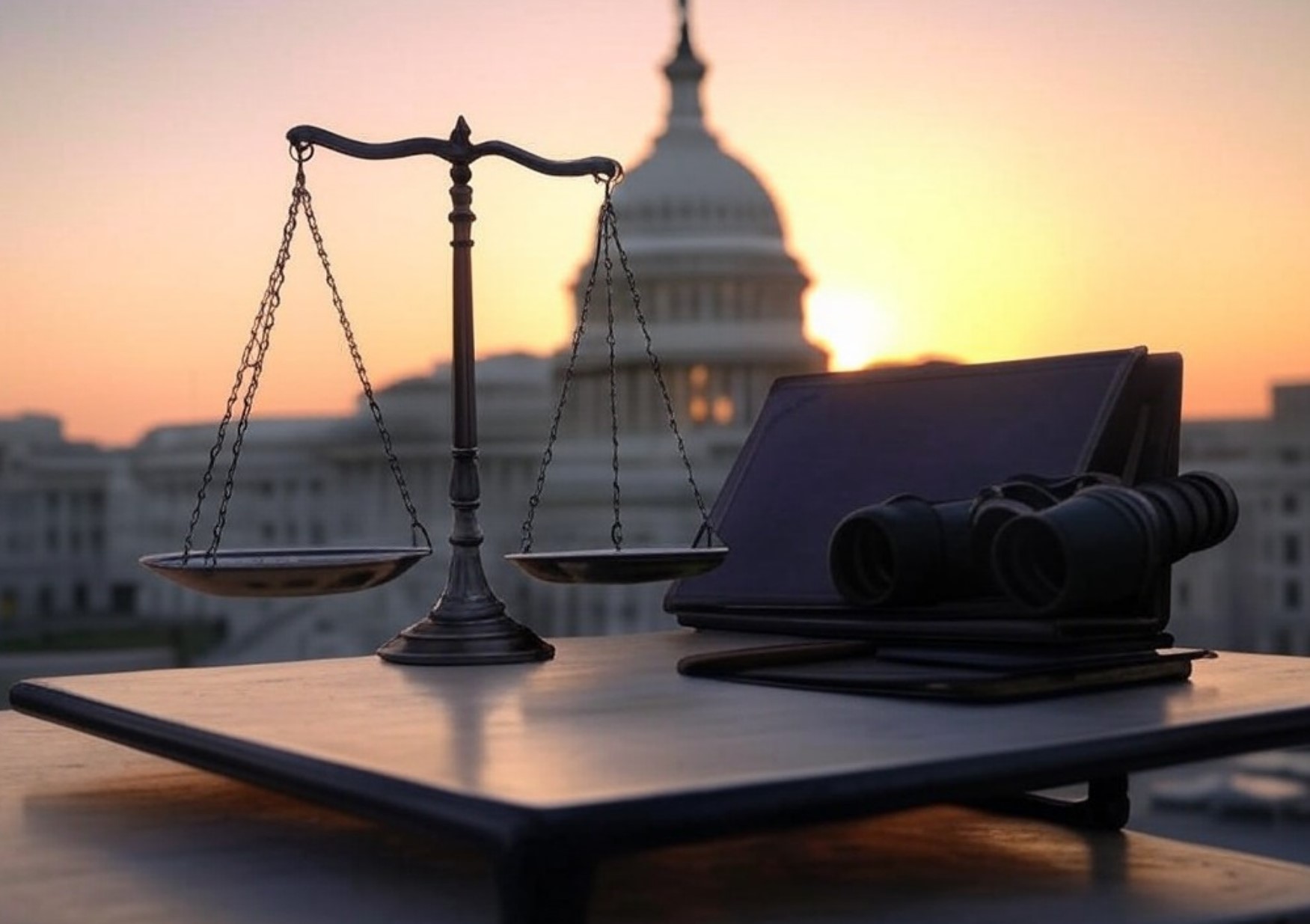 [Read more…] about Government Spying vs. Privacy: What You Need to Know